Why Do Managers Hide in the Office When the Floor Is Short?
Short answer? On a short-staffed night, plenty of managers wander back to the office, because back there it feels like they've got a handle on things... the schedule, the labor report, the inbox. The floor feels like chaos. But that's exactly the night your team needs to see you. The rule I give my clients: short floor, manager's on it. Period.
Key takeaways
The back office looks like work. Most of what's back there can wait 90 minutes. Your team can't.
People remember where you were standing when it all went sideways.
Being present isn't doing everybody's job. It's showing up where they can see you, unsticking whatever's stuck, and making the calls nobody else can make.
When the GM goes missing on a Friday, the assistant managers notice. And they copy it.
Write the rule down, and check in for two minutes after the shift. That's how it sticks.
Why do managers go to the office when the floor is understaffed?
Honestly? Because the office is the one room in the building that behaves. Out front you've got two servers covering four sections, a table waving for their check and a kitchen that's buried. Back there it's quiet. There's a labor report due and a schedule you can fix with three clicks, and that feels useful. (It isn't. Not tonight.)
When I ask clients why they do it, I usually hear some version of this:
Control. Office problems have answers. Saturday at 7:30 doesn't.
Guilt. They wrote the schedule that came up short, and a spreadsheet won't look at them the way the servers will.
Pressure from above. Corporate wants the report "today," and nobody bothered to say "after the rush."
Nobody showed them. Most managers were never taught what a leader does on a short floor, other than jump on a station.
This isn't an isolated problem, either. Sometimes it happens as a perceived need. I've had bosses actually call me and ask for things when they KNEW I was on the floor. And I'm sure I took the easy road once or twice and retreated. Not cool. Early years.
What does it cost when the leader disappears on a rough shift?
Your team hears one thing: you're on your own. Nobody says it out loud. They don't have to. The short schedule gets forgiven with a kick ass manager running around, delivering food, explaining to guests, or checking people in. The manager in the office chair doesn't.
I tell my clients face time equals forgiveness. When your people see you in it with them (checking people in, running luggage, seating guests, refilling ice, running food, taking the table that's about to blow) they'll forgive a LOT. The bad schedule. The dish machine that died again. The raise you promised in March. When they don't see you, every one of those turns into proof that nobody upstairs cares.
A client of mine, a hotel leader, found out after a big race weekend that one bell attendant had handled the entire rush by himself. There were several managers on duty that weekend. Not one of them noticed. Nobody was lazy... they were all busy in their own corner and nobody was watching the front door. That's the real cost. The stuff a present leader would've caught in five minutes just never gets seen.
And yep, guests feel it too. Service slows down, mistakes don't get fixed as fast, and the little touches that bring people back are the first thing to go.
What should a manager actually do on a short-staffed floor?
Think air traffic controller, not one more pair of hands hiding at a station. Here's the order I coach:
Walk it first. Five minutes, front to back. Where's the line? Who's drowning? Which table is about to boil over?
Go to the worst gap, not the comfy one. If the host stand is the problem, go stand at the host stand, even if you'd rather be on expo.
Make the calls, out loud. Close a section. Pause the waitlist. Move a server. Comp the table. Those are the decisions only you can make.
Tell everybody the plan. "We hold at 70 covers till 8, then we open the patio." People can handle a rough night a lot better when they know what's next.
Watch breaks and water. On short nights people skip both, and that's when tempers go.
Leave the office stuff for later. The labor report will still be sitting there at 9:15. Promise.
Thank people by name on their way out. Not a group "great job, guys." Their name and the thing they actually carried.
How do senior leaders keep this from becoming the culture?
Managers copy where their boss stands on a bad night way more than anything their boss says in a meeting. So if you're a director, a GM or an owner, the fix starts with you... and with taking away the reasons people hide.
Back-office habit → present-leader habit
Reports due during service → reports due the next morning
The GM "checks in" by text from the office → the GM walks the floor at the peak of every short shift
Short nights handled however → one short-floor rule everybody knows
One-on-ones are all numbers → one-on-ones start with, "So where were you at 7:30 Saturday? What'd you see?"
Thank-yous saved for the monthly meeting → thank-yous by name before people clock out
You can put the rule on the office wall in one line: "If we're short, the manager on duty is on the floor from open until the last push. The office can wait." Simple. Hard to argue with. Easy to check.
Isn't some office work actually urgent?
Sure, a few things. A safety problem, a guest emergency, the owner calling (well... sometimes), a payroll cutoff that closes in the next hour. Deal with it and get back out there. For everything else I give clients one question: "Is this going to matter more in 90 minutes than my team does right now?" It almost never does.
A few questions I get
Shouldn't I just jump on a station?
For a few minutes, to break a jam? Sure. But a station can turn into its own hiding spot. Spend all night buried on the line or in the dish pit and guess who isn't running the floor. You. Get in, fix the jam, get back out.
What do I say to a manager who keeps disappearing on busy nights?
Stick to what happened. Something like, "Saturday we were down two people and you were in the office from 7 to 8:30." Leave their character out of it. Then ask what pulled them back there. A lot of the time it's a deadline you gave them, or something nobody ever taught them. Both are fixable.
Is this just a restaurant and hotel thing?
Nope. Think of a clinic front desk at 8 on a Monday, or a store during a big sale, or a call center the day the storm rolls through. If one person is serving another and the team's short, the leader needs to be where the team can see them. Same deal everywhere.
The bottom line
There will always be something waiting in the back office. On a short night your people need you more than the report does. Make the rule, live it yourself, and your managers will start standing where you stand.
If your managers keep vanishing when it gets hard, that's a habit... and habits can change. Take a look at our restaurant leadership coaching or hotel leadership coaching, or book a discovery call and tell me about your toughest night of the week.
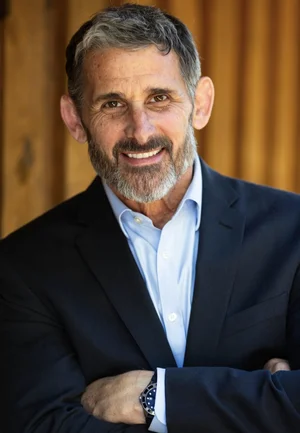
Clifton Carmody, PCC, is the founder of Hospitality Leadership Coach (HLC). He spent 20+ years in hotel and restaurant operations, from dishwasher to GM to director of operations, and has 2,500+ hours coaching leaders.


Work with Hospitality Leadership Coach (HLC)
ICF-credentialed executive coaching for hospitality and service leaders. Explore hospitality executive coaching, senior leader and high-potential coaching, hotel leadership coaching, restaurant leadership coaching and team coaching, or book a discovery call.