What Happens in the First 90 Days of Executive Coaching?
So what actually happens in the first 90 days of executive coaching? With us, it's about getting honest about where you are and deciding where you want to go. We use our D²E³ method, and the first three months cover four of its five steps. Discover. Design. Execute. Then a real check at the midpoint, which we call Evaluate.
Key takeaways
The first four to six weeks are Discover and Design. We listen first: we talk to the people around you, run a 360 and do a couple of assessments.
Then, still inside those first weeks, you pick two or three goals and we build the plan together.
The coaching happens in your actual week, with sessions and a phone number you can use when something blows up.
Somewhere around day 90 we sit down and look at whether it's working.
Evolve, the fifth step, comes at the end of the six months.
What is the D²E³ method?
D²E³ is how we run every engagement at Hospitality Leadership Coach (HLC). Two D's, three E's. Discover, Design, Execute, Evaluate, Evolve. I know, I know... it sounds like something a consultant drew on a whiteboard. But it keeps us honest, and it means nobody gets advice from us before we've done the listening. By day 90 you'll know what you're working on and whether it's going anywhere.
Here's roughly how it lays out over a six-month engagement:
Discover (the first few weeks): stakeholder interviews, a 360 and leadership assessments. You get a shared picture of strengths and blind spots.
Design (wrapped up by week 4 to 6): goals, focus areas and success measures, built together. You get a coaching roadmap and agreed goals.
Execute (from there through month six): regular sessions, plus support between them. You get real progress in the real work.
Evaluate (midpoint, around day 90): a progress review with you and your sponsor. You get a progress report and an updated plan.
Evolve (month six and beyond): lock in gains, name the next challenges. You get an impact report and what comes next.
You can see the whole thing on our approach page.
What I'm describing below is our Executive Coaching package, the one for owners and the C-suite, which is always led by an ICF Master Certified Coach. If you're a GM or a director in Senior Leader coaching, it's the same five steps, just lighter: a 360 and one assessment up front, video sessions, and email in between.
What happens before the first session?
Before anything starts, we get on a discovery call. Usually about 45 minutes. Honestly, part of that call is me figuring out if we should work together at all. If we're not the right fit I'll tell you, because a coaching engagement that isn't going to help is a waste of your money and my time.
If it is a fit, we sign an agreement. It covers how long, who the sponsor is if your company is paying, and confidentiality. That last part is a big deal. What you tell your coach stays with your coach. Your boss or your owner gets to see the goals and how you're doing against them. They don't get the conversations.
One more thing up front. We coach good leaders who want to get better. We don't do remedial coaching. The people who get the most out of this walk in curious, and maybe a little nervous (the good kind of nervous).
Weeks 1 to 6: Discover, what's really going on?
Discover and Design share the first four to six weeks, and Discover comes first. So for the first few weeks, we shut up and listen. Most coaching starts with talking. Ours starts with the people who aren't in the room.
Your coach will sit down with the people above you, next to you and below you. Your owner or your board. A couple of peers. Some of your direct reports. These are short, confidential conversations, and people tell us things they would never say in the executive meeting. We also run a 360, and you can include as many people as you want (we run it again at the end, so you can actually see the change). Then there's DiSC and the Workplace Big Five, each with a debrief, so you understand how you're wired and how that lands on your team.
After that we put it all on the table in one conversation. What you're great at. Where there's friction. And a few things you probably can't see from your chair.
That last bucket is the gold. Twenty-some years ago, as a young GM, I didn't think I needed input from the front line. Who needed "kids" telling me how to run a restaurant? That was me then... sure of myself, and wrong about a lot. And nobody on my team was going to say that to my face. That's what Discover is for.
Still in weeks 1 to 6: Design, what are we working on?
Next we take what came out of Discover and turn it into a plan, usually by week four, sometimes week six. Two or three goals, max. I'd take two goals you actually work on over ten good intentions every single time.
You pick the goals. Your coach pushes on them until they're sharp. For a hotel or restaurant leader, a good goal usually answers three questions.
What's going to be different? "My managers make the Friday-night calls without me" beats "delegate more" all day long.
How will we know? It has to be something other people can see. Fewer decisions landing on your desk. A monthly P&L review that doesn't turn into a fire drill. A 360 score that moves.
Why does it matter to you? This one gets skipped and it shouldn't. It's what keeps you going in month four when the shiny new feeling is gone.
If your company is paying, your sponsor usually joins one short conversation to agree on the goals, and then they get out of the way. They see the plan. They don't see the sessions.
What you walk away with is a roadmap. What we're working on, how we'll measure it, and what good looks like at six months. Written down. Agreed. Done.
Weeks 6 to 12: Execute, where does the real work happen?
Execute is the coaching itself. Technically it starts on day one, but this is where it really gets going, because now we know what we're aiming at.
And it doesn't happen in a classroom. It happens in your real week. We meet on your schedule, on video or in person. In between, you can call or text when something won't wait... the night before the owner meeting, or the morning after a review that went sideways. You try something on Tuesday. On Thursday we talk about how it went and what you noticed.
Here's the part I love. A lot of the leaders I've coached already knew what to do. Somebody taught them. They just weren't comfortable doing it yet, especially with the pressure on. So we practice. They tweak it, get comfortable, and it becomes theirs. Watching that happen is honestly one of the best parts of my job, because that's when you see who they really are as a leader.
Around day 90: Evaluate, is it working?
Most of our executive engagements run six months, so day 90 is the halfway point. That's when we stop and take an honest look. What's moving? What's stuck? What do we change for the back half?
You and your coach go through it first, then your sponsor joins to look at the goals. Sometimes a goal is almost done, so we stretch it. Sometimes one isn't budging, so we rethink it. No shame either way.
And if you're not happy with how it's going, we have a service guarantee. Depending on your agreement, that could be extra coaching on us, letting you out of the agreement, or a full refund.
Then we keep going into the second half, and eventually Evolve. That's where we lock in what's working, look at what's next for you and plan for it.
How can a leader get the most out of the first 90 days?
Treat it like part of your job, not another meeting on your calendar. The leaders who grow the fastest are the ones who guard the time, ask for honest feedback and actually try stuff between sessions.
Protect the sessions. Budget season, a pre-opening, a terrible week... there is always a reason to reschedule. Don't. The worst weeks usually make the best sessions.
Pick honest people for Discover, not just your fans. (Yes, that's the hard part.)
Bring the real stuff. The owner call that went badly. The director you've been avoiding. The thing you'd never say out loud in the GM meeting.
Try one small thing a week. Little experiments pile up faster than big plans.
Tell your team you're working on something. It feels risky. It isn't. It builds trust faster than almost anything, and they'll notice the change sooner.
Oh, and put your phone face down during sessions. Yep. That one's personal.
Frequently asked questions
How soon will I see results from executive coaching? Usually you'll feel something shift during Discover, in the first few weeks, just from seeing yourself the way other people see you. Changes your team can actually see tend to show up in months two and three. That's why we do the formal check at the midpoint.
Who sees my 360 and assessment results? You and your coach. If your company is sponsoring the coaching, they see the goals and your progress. Not the sessions, and not the detailed feedback.
How long is an HLC executive coaching engagement? Six months is our standard, and most engagements run at least that long. Executive Coaching starts at $20,000 for six months. Senior Leader and High-Potential Coaching is $15,000.
Does the D²E³ process work for leadership teams too? It does. We use the same five steps for team coaching. The difference is that Discover looks at how the whole team works together, not just one person.
Is executive coaching only for leaders who are struggling? Nope. We work with good leaders and good teams who want to get better. We don't do remedial coaching.
The bottom line
In the first 90 days, you find out what's really going on, pick a couple of goals that matter, start working on them in your real job, and check whether it's working around day 90. By then you know your blind spots, and you've already started growing past some of them.
If you're curious what this would look like for you or your team, I'm always up for that conversation. Check out our approach, or book a discovery call. And if you're still on the fence between coaching and training, start with Coaching vs. Training: Which Does Your Management Team Need?
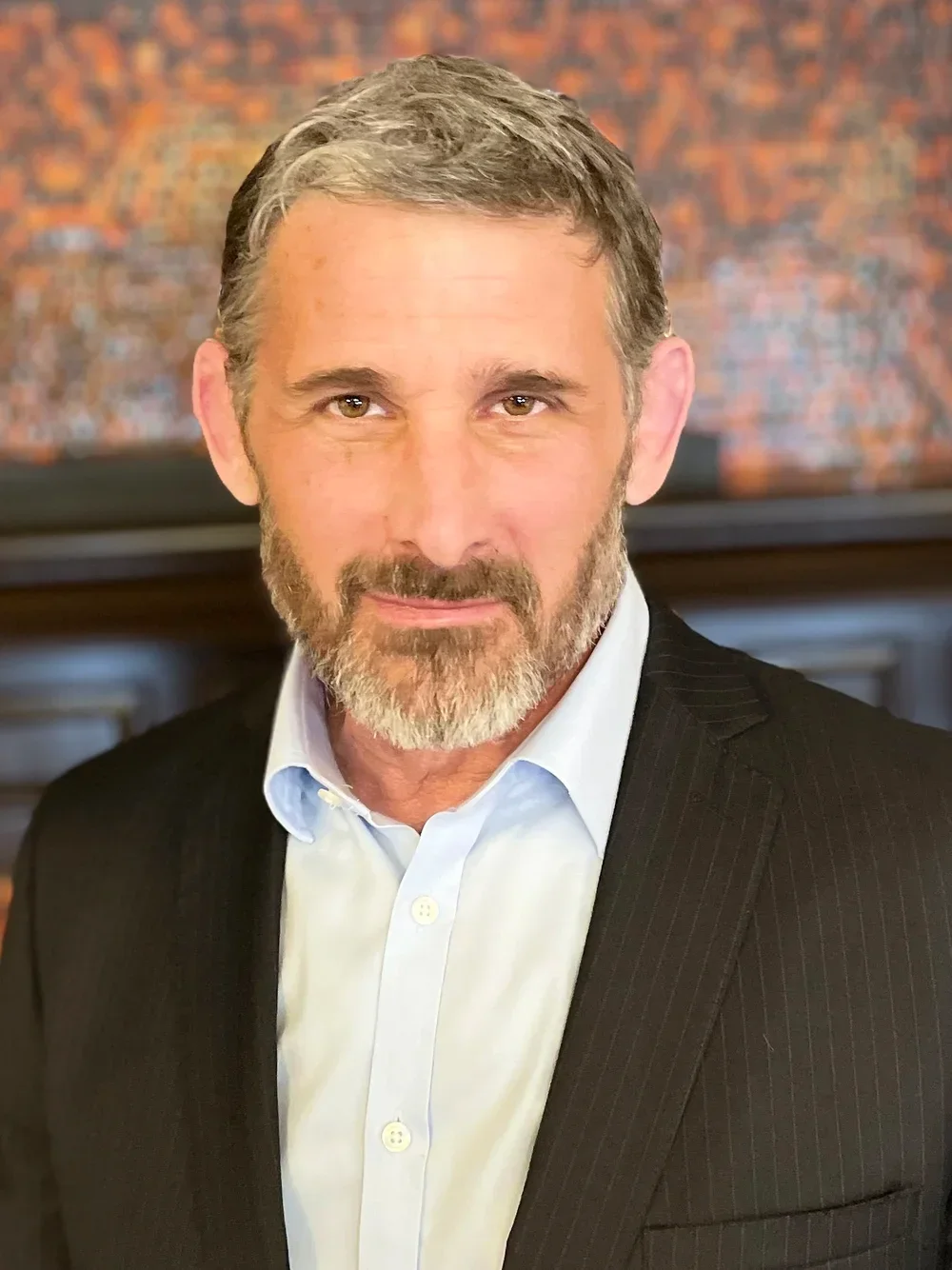
Clifton Carmody, PCC, ACTC, is the founder of Hospitality Leadership Coach. He spent 20+ years in hotel and restaurant operations, from dishwasher to director of operations, before becoming an ICF-credentialed executive and team coach with 2,500+ coaching hours.
Work with Hospitality Leadership Coach (HLC)
ICF-credentialed executive coaching for hospitality and service leaders. Explore hospitality executive coaching, senior leader and high-potential coaching, hotel leadership coaching, restaurant leadership coaching and team coaching, or book a discovery call.