Coaching vs. Training: Which Does Your Management Team Need?
Training is where a group of leaders learns a skill together, usually in a workshop or a set program. Coaching is what happens over the following months, when one leader (or a whole leadership team) works on actually using it, spots what they've been missing and keeps getting better. A lot of training is one and done. Coaching goes deeper, and it usually works best after or alongside the training.
Key takeaways
Training gets a whole group on the same page. Coaching works with one leader, or one team, over several months.
Coaching isn't for "fixing" a problem employee. It's for good leaders and good teams who want more.
Much of the value is in the mirror: the habits, blind spots and unused strengths nobody has mentioned to you yet.
In one well-known 1997 study, training on its own lifted productivity about 22%. Add coaching afterward and it jumped to about 88%.
The best leadership budgets I see usually do both, and often in one engagement.
What is the difference between coaching and training?
Training hands a group the same knowledge in a fixed amount of time, an afternoon, two days, maybe a short series. Coaching is slower on purpose. It's regular conversations, month after month, with one leader or one leadership team, about how they really lead.
Say your hotel's management team just sat through a two-day feedback workshop. Twelve people, one model, a binder each. Training told them what to say. Coaching is the part where the F&B director figures out why he still avoids saying it to his sous chef.
So... one is the classroom. The other is everything that happens after you walk back onto the floor.
Training vs. coaching at a glance
Who's in the room: Training: a group, all at once. Coaching: one leader, or one leadership team.
What you get: Training: everyone knows the same skill. Coaching: a leader who sees their blind spots and grows past them.
What it looks like: Training: workshops and programs. Coaching: ongoing one-on-one or team sessions.
Length: Training: often one and done, hours to a few days. Coaching: a process, usually three to twelve months.
Best for: Training: new managers, new systems, a common standard. Coaching: leaders and teams ready to grow further.
How you measure it: Training: completion, test scores, observed skills. Coaching: change the people around the leader can see.
Neither one is better. They do different jobs, and they're strongest together. Here at HLC, the training piece is often folded into a bigger engagement with individual and team coaching wrapped around it.
When does a hospitality management team need training?
If a handful of your managers are all missing the same piece, that's a training problem. Ask why it isn't happening. If the honest answer is "nobody ever taught them," start there.
Training usually fits when:
You promoted strong performers into supervisor roles. Your best server is now a floor manager. Nobody showed her how to write a schedule, run pre-shift or have a hard conversation with a friend.
You need one standard across properties or locations. Five restaurants, five versions of the same service steps. A shared program gets everyone speaking the same language.
Something new is coming. A new PMS, a new labor model, a new brand standard, a pre-opening.
The gap is knowledge, not behavior. Reading a P&L, labor forecasting, interviewing within the law.
Training is also cheaper per head, which matters when you have twenty supervisors and a budget due Friday. Here's the problem, though. Without anybody following up, it fades fast. People go back to the floor, Saturday gets slammed, and the old habits win. Every time.
HLC's leadership development programs are built for exactly these groups, and they mix the training with one-on-one and group coaching so the workshop isn't the finish line.
What does coaching add for a hotel or restaurant leader?
Mostly, coaching shows you what you can't see from where you're standing, and then helps you do something about it. And no, it isn't for the person who's about to be written up. It's for capable leaders, and strong teams, who want to get even better.
Every leader has blind spots. Maybe it's how a GM comes across in the morning meeting. Maybe it's the director who says yes to everything and wonders why the team never steps up. Maybe it's a leadership team that gets along fine but never actually disagrees out loud. Nobody on the payroll is going to point those out to the boss (would you?).
Coaching makes those things visible, and then it's a process to work through them, session after session, in the real work. It usually helps most when:
A leader has the skill but hasn't made it their own yet. They learned it, and they're hesitant to use it under pressure.
A leader is stepping up. A new GM in the first 90 days, a promotion to leading leaders, a new owner or a new market.
The leadership team itself is the issue. Team coaching looks at how the group works, the stuff that only shows up when they're all in the same room.
A good leader wants to be a great one. This is the most common reason of all, honestly.
I see the first one all the time. I've coached a lot of leaders who were taught exactly what to do and were still hesitant to do it: the hard conversation, handing off the decision, running the meeting differently. Coaching is where they practice, refine the skill, get comfortable with it and make it theirs. Watching someone go from "I know I should" to "that's just how I lead now" is one of my favorite parts of the job.
One thing to be clear on: HLC doesn't do remedial coaching. We work with leaders and teams who want to grow. Our one-on-one coaching runs six months: Senior Leader & High-Potential Coaching for GMs, directors and rising leaders, and Executive Coaching for the C-suite. Team coaching does the same work with a leadership group. All of it follows our D²E³ approach, which starts by hearing from the people around the leader.
Why does training plus coaching work better than either one alone?
Because a workshop can introduce a skill, but it can't stand next to you on Tuesday when you need it. Coaching keeps you using it until it sticks. And this isn't a new idea. The research is almost thirty years old.
In a 1997 study of public-sector managers by Olivero, Bane and Kopelman, a management training program on its own raised productivity by 22.4%. Then the same managers got eight weeks of one-on-one coaching after the program, and productivity went up 88%. Same content. Very different result.
Why such a gap? Because hospitality leadership doesn't happen in a conference room. It happens at the pass during a Saturday rush. In the monthly P&L review. In the hallway five minutes after a guest just tore into the front desk. Coaching is the hour where you replay that moment and decide what you'll do differently next time.
It ripples out to the team, too. Gallup has found that managers account for at least 70% of the variance in employee engagement. In a business where turnover eats the budget, that's the whole ballgame.
I wrote a longer (and grumpier) take on this in "Leadership Training, really?" The short version: training plants the seed. Coaching is the watering.
How do you decide which one your team needs?
Start with the result you want, and who it's for. Same new skill for a whole group? Train. One leader, or one leadership team, who needs to grow into it and own it? Coach. Honestly, plan for both more often than not.
Before the 2027 budget gets locked, ask yourself these five:
Is this new knowledge, or growth in how someone leads? New knowledge points to training. Blind spots and self-awareness? That's coaching territory.
How many people are we talking about? Ten new supervisors with the same gap: training. A GM, a director, an owner or an executive team: coaching.
How senior are they? The further up you go, the less a classroom does for you, and the more you need someone private and honest to think out loud with.
Did they already go through training on this? Then coaching is how it finally shows up in the way they lead every day.
Who's helping them once the workshop ends? If you're being honest and the answer is "uh... nobody," put coaching in the plan from day one.
Plenty of hotel and restaurant groups end up with a mix. Supervisors and new managers get a training program. The GMs and directors above them get one-on-one and team coaching. Often it's all one engagement, with the training sessions and the coaching built to support each other. Yep... both. Sorry to give the consultant answer, but it's the true one.
Frequently asked questions
Is coaching more expensive than training? Per person, usually yes. A training budget gets split twenty ways. A coaching budget goes to one leader or one team. Here's what it runs at Hospitality Leadership Coach (HLC): $15,000 for six months of Senior Leader and High-Potential Coaching, Executive Coaching from $20,000 for six months, and team coaching from $5,500. Our cost guide has the details on what moves the price up or down.
Is coaching just for leaders who are struggling? No. We don't offer remedial coaching at HLC. We coach capable leaders, and teams, who want to see their blind spots, sharpen what they already do well and keep growing.
Can a manager be a coach to their own team? Yes, and the best ones are. Owners and GMs can learn to coach their own managers, and plenty do. A senior leader still gets something from an outside coach, though, because nobody whose paycheck you sign is going to be completely straight with you.
How long does coaching take compared to training? Training runs from a few hours to a few days. Coaching usually runs three to twelve months (HLC's one-on-one packages are six), because changing a habit takes repetitions on the job, not just a good idea.
Should new managers get coaching or training first? Training, nine times out of ten. A brand-new supervisor needs scheduling, feedback and how to handle a hard conversation before anything else. Once they've got those tools and want to make them their own, that's when coaching really pays off.
Does this apply outside hotels and restaurants? Yes. Clinics, senior living, law firms, retail... anywhere one person serves another. The same question applies: is it a knowledge gap or a behavior gap? For those teams, see our hospitality training.
The bottom line
Training gets a group the same skills, usually in one shot. Coaching is the longer road, where a leader (or a leadership team) sees what they've been missing, sharpens those skills and grows into the best version of themselves. Managers missing a skill? Train them. Leaders and teams you want to keep growing? Coach them. Want it to stick? Do both.
Not sure which one fits your team? That's one of our favorite conversations. Take a look at leadership development and one-on-one coaching, or book a discovery call and we'll sort it out together.
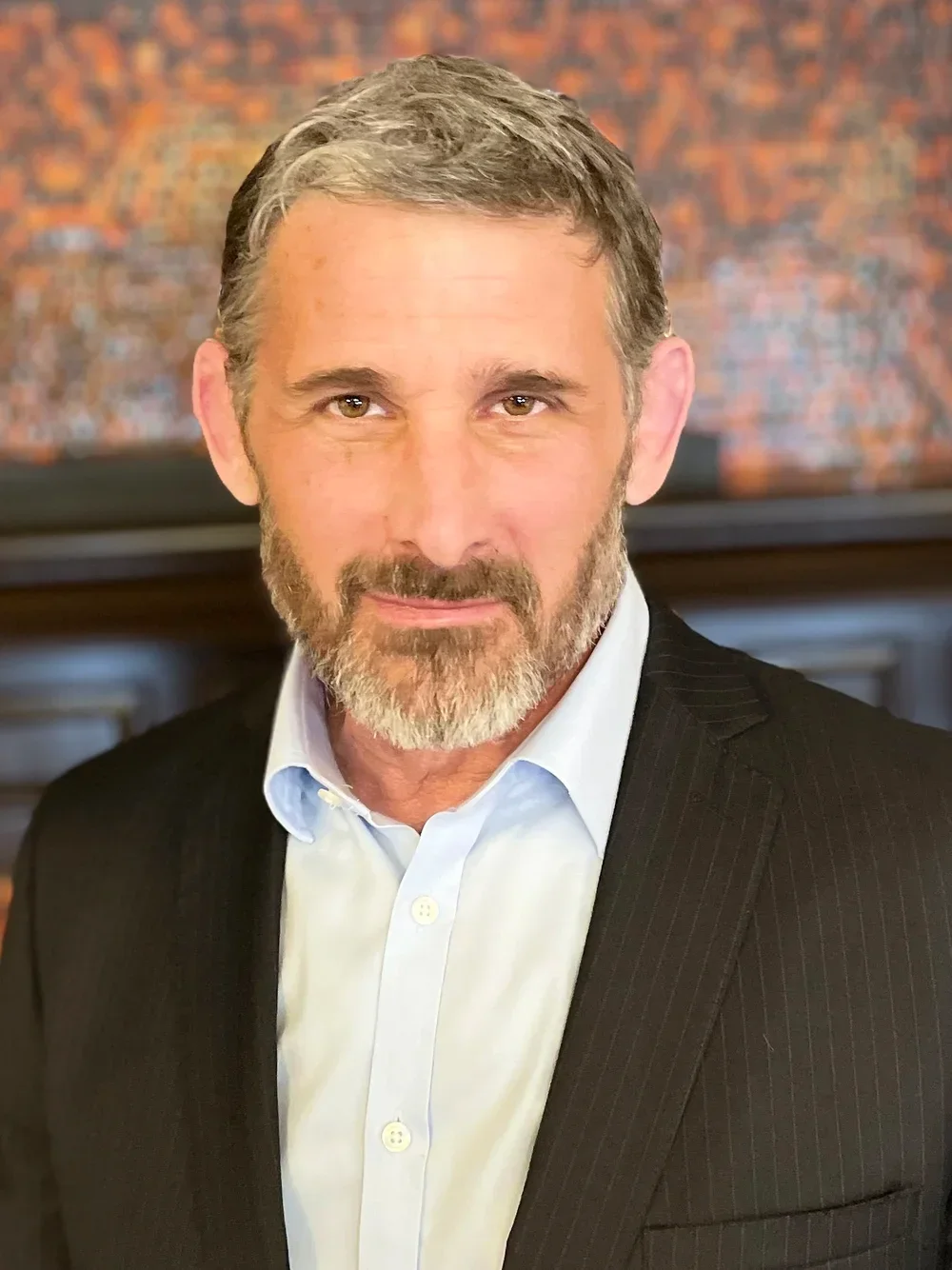
Clifton Carmody, PCC, ACTC, is the founder of Hospitality Leadership Coach. He spent 20+ years in hotel and restaurant operations, from dishwasher to director of operations, before becoming an ICF-credentialed executive and team coach with 2,500+ coaching hours.

Work with Hospitality Leadership Coach (HLC)
ICF-credentialed executive coaching for hospitality and service leaders. Explore hospitality executive coaching, senior leader and high-potential coaching, hotel leadership coaching, restaurant leadership coaching and team coaching, or book a discovery call.