How to Choose an Executive Coach: 8 Questions to Ask First
To choose an executive coach, ask eight questions before you sign: what they have run, what their ICF credential means, how they gather feedback, how progress is measured, what happens between sessions, whether they will run your business for you, what it costs, and what happens if it is not working. Plain answers mean a real coach.
Key takeaways
Anyone can call themselves a coach. Ask for an ICF credential, and ask what it took to earn it.
A coach who has run a hotel or restaurant spends less time learning your business and more time on your leadership.
Good coaching starts by listening to the people around the leader, not only the leader.
Agree on two or three measurable goals, and who sees progress, before the first session.
A strong working relationship predicts results. A personality match does not.
Why does choosing the right executive coach matter?
Choosing the right executive coach matters because coaching is unregulated, and the gap between a great coach and a pleasant one is huge. The 2025 ICF Global Coaching Study counted 122,974 coach practitioners worldwide, up 15% since 2023, and no law says any of them needs training. A website, a ring light and a business card... congratulations, you are a coach.
I have seen what a bad pick costs. The CEO of a vacation rental company came to me after trying coaching through one of the big app-based coaching platforms. He was giving coaching a "second chance." That is a polite way of saying he expected very little. (Fair enough.)
On paper, his first coach looked perfect. He had vacation rental experience. The problem? It was not coaching. The coach did not ask questions. He told the CEO how he used to do it and handed him the old model from his own days in the business, built for a different company, a different market and a different leader. Following someone else's playbook set the CEO back months.
After our first session, he told me it already felt so different. The difference was not industry knowledge. It was questions, and the answers were his.
Now I run Hospitality Leadership Coach (HLC), and I would rather you hire the right coach, even if it is not us. For hotel GMs, restaurant owners and the HR leaders who sponsor them, a bad pick costs more than the fee. It costs six months the leader did not get better, and a team that watched nothing change.
Questions 1 to 4: Can this coach actually help a hospitality leader?
The first four questions test whether an executive coach has the experience, training and process to help a hotel or restaurant leader.
1. Have you ever run anything like what I run?
A coach does not need hospitality experience, but it sure helps. A coach who has worked a sold-out Saturday, sat through an owner's P&L review or covered a 6 a.m. no-show does not need the first three sessions spent explaining your job. But experience is not coaching. Ask how they use it.
2. What is your ICF credential, and what did it take?
The International Coaching Federation (ICF) credential is the closest thing coaching has to a license. An ACC requires at least 100 hours of client coaching with 8 clients, a PCC at least 500 hours with 25 clients, and an MCC at least 2,500 hours with 35 clients (ICF). "Certified" after a weekend course is not the same thing. Ask, then check ICF's online coach finder.
3. How will you find out what is really going on?
The leader is usually the worst source on the leader. (Me included. Especially me.) A good coach talks to the boss, peers and direct reports through stakeholder interviews or a 360 before giving a single piece of advice.
4. How will we measure progress, and who sees what?
"Be a better leader" is not a goal. Lower department-head turnover, better engagement scores, a GM who stops approving every comp... those are goals. Sponsors should see goals and progress, not what was said in the room.
Questions 5 to 8: Will this coaching engagement actually work?
The last four questions test whether a coaching engagement is built to change behavior on the job, at an honest price, with someone accountable for results.
5. What happens between sessions?
Coaching works between sessions, on the floor. In one public-agency study, training alone raised manager productivity 22.4%, while training followed by one-on-one coaching raised it 88% (Olivero, Bane and Kopelman, 1997). Ask what the leader will try in Tuesday's executive committee meeting, and when you will talk it through.
6. Will you tell me how to run my operation?
The right answer is mostly no. A consultant tells you what to do with your hotel. A coach helps you lead the people who run it. If the coach starts redesigning your housekeeping schedule in session two, you hired a consultant with a coaching title. That is exactly what happened to the vacation rental CEO.
7. What does it cost, and what is included?
A straight coach gives you a straight number. At HLC, six-month one-on-one engagements are $12,000 for senior leaders and high potentials, or $15,000 for executive coaching, each with a 360, an assessment and a service guarantee. See what executive coaching costs for hospitality leaders for market ranges.
8. What happens if it is not working?
Ask about the guarantee before you need it. A coach who believes in the work should stand behind it, in writing.
Does an executive coach need to match your personality?
No. The working relationship matters far more than a personality match. In a study of 1,895 coach-client pairs across 34 countries, the working alliance strongly predicted coaching effectiveness, while personality matching showed no link (de Haan, Grant, Burger and Eriksson, 2016). The parts that mattered most were agreeing on goals and on how the work gets done, more than the personal bond.
So use the chemistry call to agree on what you will work on and how you will know it is working. Not to find a new best friend. Do not hire your favorite drinking buddy. Hire the person who will tell you the truth about your Monday morning meeting, kindly, and then ask what you plan to do about it.
Three things to listen for on that call:
Does the coach ask more than they talk?
Can they describe their process, start to finish, in plain words?
Do they push back on anything you say, even a little?
What are the red flags when hiring an executive coach?
The biggest red flag is a coach who sells answers instead of asking good questions. If a coach cannot explain their process, their price and their guarantee in plain words, keep looking.
Promises a breakthrough in two sessions. Look for: a defined engagement, often six months, with measured goals.
Cannot name a credential. Look for: an ICF credential you can verify.
Only ever talks to the leader. Look for: stakeholder interviews or a 360 at the start.
No goals, no metrics. Look for: two or three agreed goals and a midpoint check.
Vague or "custom" pricing only. Look for: a clear price and a list of what is included.
No guarantee. Look for: a written service guarantee.
Tells you how to run your operation. Look for: a coach who works on how you lead it.
Bottom line
Choosing an executive coach comes down to experience, credentials, process and accountability. Ask all eight questions, and listen to how the coach answers as much as what they say. Ask the hard questions. Hire the truth-teller.
See how HLC runs hospitality executive coaching through our D²E³ method, grab the free How to Choose a Leadership Coaching Partner eBook, or book a discovery call.
Frequently asked questions
How do I know if an executive coach is qualified?
Ask for their ICF credential (ACC, PCC or MCC) and verify it on ICF's website. Each level requires a set number of coaching hours and clients, so the credential tells you how much real coaching the person has done.
Should an executive coach for a hotel or restaurant leader have hospitality experience?
It is not required, but it helps. A coach who has run a hotel or restaurant already understands owner pressure, labor costs and 24/7 operations, so sessions start on your leadership instead of on explaining the business.
How long should executive coaching last?
Most executive coaching engagements run six months or longer, which is enough time to set goals, practice on the job and measure change. HLC's one-on-one packages run six months.
What should I ask in an executive coaching chemistry call?
Ask how the coach will gather feedback, how progress will be measured, what happens between sessions and what happens if it is not working. Pay attention to whether the coach asks you good questions, not only whether you like them.
Is executive coaching confidential when the company pays for it?
It should be. In a well-run engagement, the sponsor sees the goals and the progress, but not what is said in sessions. Ask every coach to explain this before you sign.
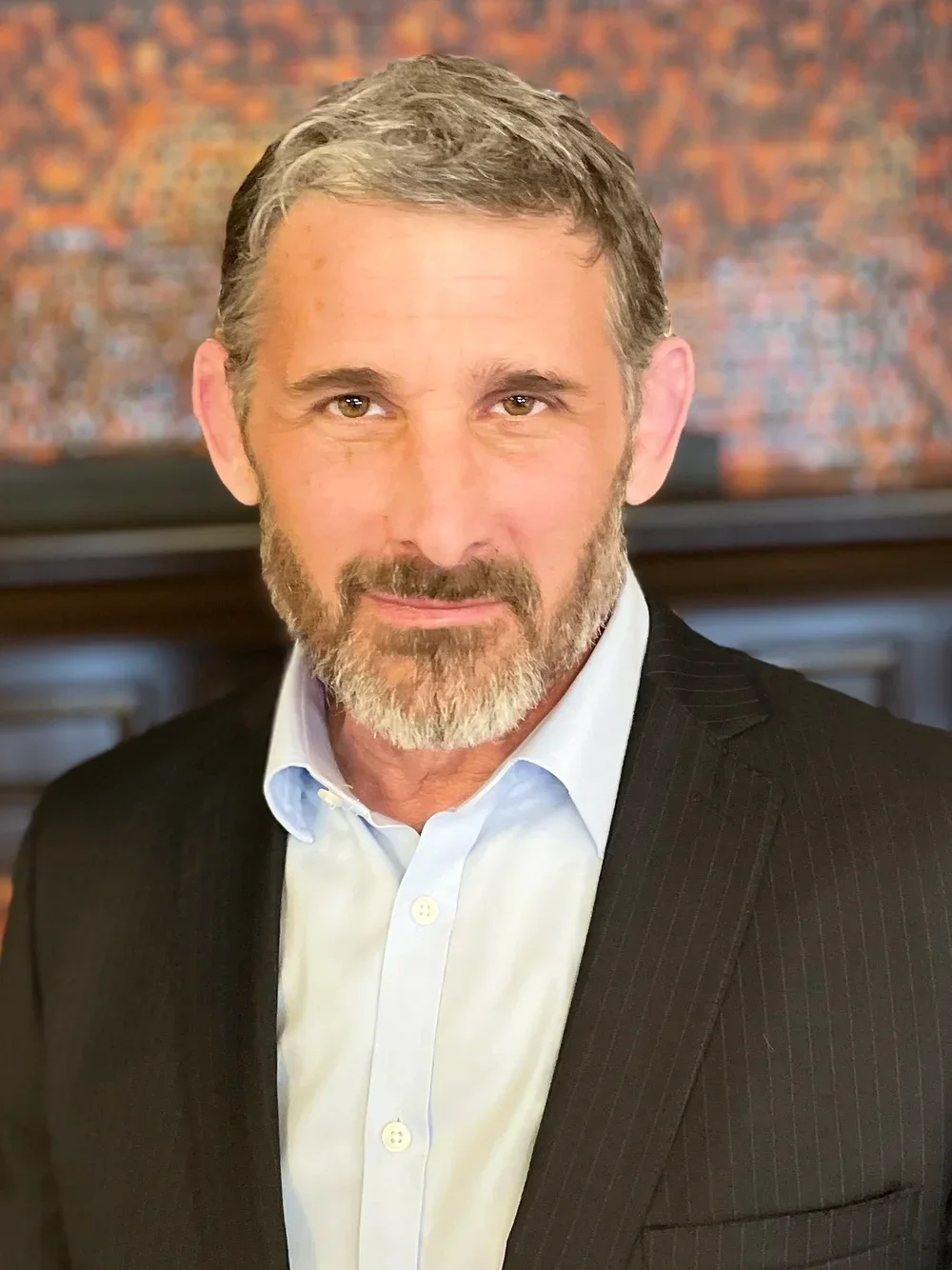
Clifton Carmody, PCC, ACTC, is the founder of Hospitality Leadership Coach (HLC). He started as a dishwasher at 16 and spent 20+ years leading hotels and restaurants, including GM and director of operations roles, before becoming an ICF-credentialed executive coach.
Work with Hospitality Leadership Coach (HLC)
ICF-credentialed executive coaching for hospitality and service leaders. Explore hospitality executive coaching, senior leader and high-potential coaching, hotel leadership coaching, restaurant leadership coaching and leadership team coaching, or book a discovery call.